


Vertically Mounted Bifacial Solar Panels: The Next Generation of Dual-Use Energy Solutions
In the continuous pursuit of maximizing land use efficiency and energy yield, the solar industry has embraced innovative mounting strategies. Vertically mounted bifacial solar panels represent a significant leap forward, combining the dual-sided power generation of bifacial technology with a space-saving vertical orientation. This configuration is engineered for B2B clients seeking to transform underutilized spaces—such as perimeter fencing, highway sound barriers, agricultural boundaries, and commercial property lines—into productive, revenue-generating assets. This product page details the technical superiority and practical applications of our advanced vertically oriented bifacial solar systems.
Product Overview
Our vertically mounted bifacial solar panel system is a purpose-built solution designed for applications where traditional tilted arrays are impractical or inefficient. By mounting high-efficiency bifacial modules vertically in a north-south alignment, the system captures sunlight on both faces throughout the day—direct light on one side and reflected/albedo light on the other. This design is particularly effective in high-latitude regions and snowy environments, and it minimizes inter-row shading, allowing for dense installation. It is an ideal, low-profile renewable energy source for security fencing, noise barriers, and agrivoltaic projects where ground space must be preserved.
Key Features
- Dual-Sided Energy Harvesting: Leverages bifacial cell technology to generate power from both the front and rear sides, increasing total energy yield by up to 30% compared to monofacial panels in optimal conditions.
- Space Optimization & Land Use Efficiency: The vertical footprint is minimal, making it perfect for integration into existing boundary structures without consuming valuable horizontal land area.
- Enhanced Performance in Snow & High-Albedo Environments: Vertical mounting prevents snow accumulation on the panel surface. The rear side efficiently captures light reflected from snow-covered or light-colored ground, ensuring consistent winter output.
- Reduced Soiling and Easier Maintenance: The vertical orientation significantly reduces dust and debris buildup, leading to lower cleaning frequency and maintenance costs.
- Robust, All-Weather Construction: Engineered with reinforced frames and mounting hardware designed to withstand high wind loads from both directions, ensuring long-term durability and stability.
- Integrated System Design: Complete solution includes specialized vertical racking, bifacial-compatible inverters, and detailed engineering plans for seamless deployment.
Technical Specifications
| Parameter | Specification |
|---|---|
| Panel Type | Monocrystalline Bifacial (Double Glass) |
| Front Side Rated Power | 550W - 600W |
| Bifaciality Factor | > 70% |
| Dimensions (H x W x D) | 2278mm x 1134mm x 35mm (Typical) |
| Frame Material | Anodized Aluminum Alloy |
| Mounting Orientation | Vertical (90° ± 5°) |
| Recommended Row Spacing | Minimal (Dependent on site-specific shading analysis) |
| Wind Load Resistance | > 2400 Pa |
| Operating Temperature | -40°C to +85°C |
| Product Warranty | 15 Years |
| Performance Warranty | 30 Years (> 87.4% of rated power) |
Application Scenarios
The versatility of vertically mounted bifacial solar panels opens a new realm of possibilities for commercial and utility-scale projects:
- Perimeter Security & Fencing: Transform industrial park, utility substation, or logistics center fencing into a secure, power-generating barrier.
- Transportation Infrastructure: Integrate into highway and railway sound barriers, providing noise reduction and clean energy generation simultaneously.
- Agrivoltaics & Farming: Install as fencing for agricultural plots or between crop rows. The vertical structure minimizes shading on crops while generating power for farm operations.
- Commercial Property Edges: Utilize parking lot perimeters, property boundaries, or building facades to generate on-site power without sacrificing parking or green space.
- Snow-Prone Regions: Deploy in mountainous or northern climates where traditional arrays suffer from snow cover; vertical systems maintain production year-round.
Advantages
Choosing a vertical bifacial system offers distinct competitive and operational benefits:
- Higher Energy Density per Land Area: Achieve more installed capacity within a narrow strip of land, maximizing ROI on constrained sites.
- Dual Revenue Stream Potential: Generate electricity while serving its primary function as a fence, barrier, or boundary, creating value from previously non-revenue-generating infrastructure.
- Superior Low-Light & Diffuse Light Performance: Bifacial technology captures reflected light, enhancing output during early morning, late afternoon, and overcast days.
- Future-Proof Investment: Built with tier-1 cell technology and robust materials, the system is designed for decades of reliable service with a favorable levelized cost of energy (LCOE).
- Environmental Synergy: Promotes dual land use, supports sustainable development goals, and reduces visual impact compared to large-scale tilted farms.
Why Choose Us
As a specialist in advanced photovoltaic solutions, we provide more than just hardware. We offer a partnership for success:
- Proven Expertise: We are at the forefront of bifacial and vertical mounting technology, with a portfolio of successful global installations.
- End-to-End Project Support: From initial site assessment and energy yield simulation to engineering, supply, and technical commissioning support.
- Certified Quality: All panels and mounting systems meet international standards (IEC, UL) and are sourced from reputable, audited manufacturers.
- Customizable Solutions: We tailor system design, height, and electrical configuration to meet your specific project requirements and local regulations.
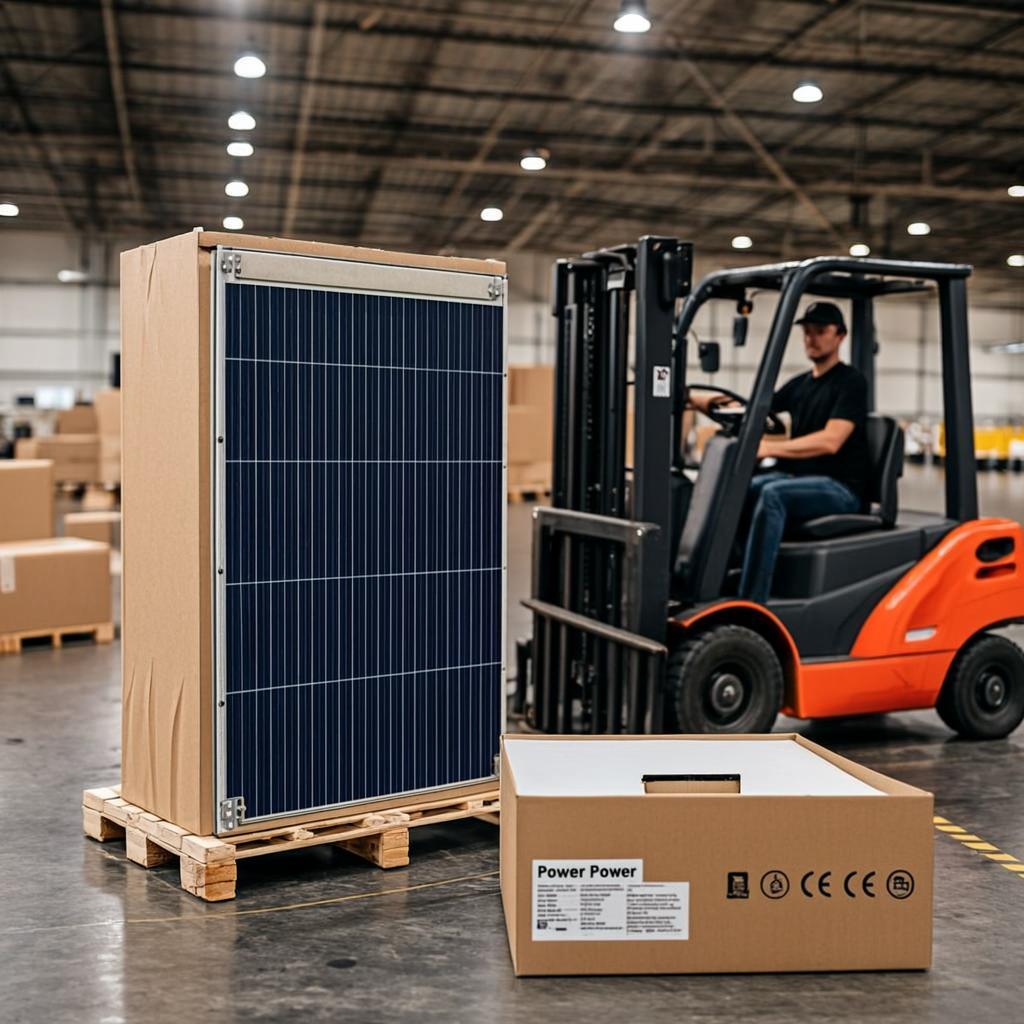
- Global Logistics & After-Sales: Reliable shipping to major ports worldwide, backed by a responsive technical support and warranty service team.
FAQ
Q: How much more energy do vertically mounted bifacial solar panels produce compared to a traditional monofacial system?
A: The gain is highly site-dependent. Factors include ground albedo (reflectivity), latitude, and local climate. In optimal conditions with high albedo (e.g., snow, light concrete), energy yield gains of 10-30% over the front-side rating are achievable annually compared to a monofacial system of the same front-side power.
Q: What is the ideal ground surface for these panels?
A: High-albedo surfaces like white gravel, light-colored concrete, sand, or snow provide the best rear-side gain. However, even typical grass or soil can provide a meaningful 5-15% boost. We provide yield simulations for your specific site conditions.
Q: Are these systems suitable for windy locations?
A: Yes. Our vertical mounting system is specifically engineered for high wind load resistance. The structural design and foundation requirements are calculated based on local wind zone data to ensure complete stability and safety.
Q: Can they be connected to any inverter?
A> They require a bifacial-compatible inverter or string optimizer that can handle the higher current and variable input profile from the dual-sided generation. We provide compatible electrical balance of system (BOS) recommendations.
Q: Do you provide full turnkey project services?
A> We specialize in the supply and engineering of the core system. We work closely with your local EPC (Engineering, Procurement, and Construction) partners or can recommend certified installers in your region to ensure a successful turnkey project.