


High-Efficiency Solar Panel Solutions: A Comprehensive Guide to Types & Technologies
In today's competitive renewable energy market, selecting the right photovoltaic technology is crucial for maximizing return on investment. Our advanced solar panel portfolio is engineered to deliver superior performance, durability, and value across diverse commercial and industrial applications. We provide a comprehensive range of types of solar panels, each designed to meet specific energy needs, environmental conditions, and budgetary requirements, ensuring an optimal solution for every project.
1. Product Overview
Our product line represents the forefront of solar technology, offering three primary types of solar panels: high-performance Monocrystalline, cost-effective Polycrystalline, and innovative Thin-Film modules. Each category is manufactured with precision using automated production lines and subjected to rigorous quality control, including EL testing and stringent performance validation. We cater to global B2B clients, including project developers, EPC contractors, and large-scale energy users, providing reliable, tier-1 quality modules backed by robust performance warranties and international certifications.
2. Key Features
- Advanced Cell Technology: Features PERC (Passivated Emitter and Rear Cell), half-cut cell, and multi-busbar designs to minimize energy loss and boost efficiency under low-light conditions.
- Exceptional Durability: Constructed with anti-reflective, tempered glass and robust, anodized aluminum frames to withstand high wind loads (≥2400Pa) and snow loads (≥5400Pa).
- Enhanced Long-Term Performance: Guaranteed low power degradation with a linear performance warranty ensuring over 85% output even after 25 years of service.
- Smart Module Options: Available with integrated microinverters or power optimizers for enhanced energy harvest, module-level monitoring, and improved system safety.
- Sustainable Manufacturing: Produced in ISO-certified facilities with a commitment to reducing carbon footprint, utilizing recyclable materials wherever possible.
3. Technical Specifications
| Parameter | Monocrystalline Series | Polycrystalline Series | Thin-Film Series |
|---|---|---|---|
| Cell Technology | Mono PERC, Half-Cut | Multi-crystalline | Amorphous Silicon / CdTe |
| Power Output Range | 400W - 700W | 370W - 550W | 90W - 350W |
| Module Efficiency | Up to 22.8% | Up to 20.3% | Up to 18.5% |
| Temperature Coefficient (Pmax) | -0.34% / °C | -0.39% / °C | -0.21% / °C |
| Operating Temperature | -40°C to +85°C | -40°C to +85°C | -40°C to +85°C |
| Product Warranty | 15 Years | 12 Years | 10 Years |
| Performance Warranty | 25 Years at ≥ 85% | 25 Years at ≥ 83% | 25 Years at ≥ 80% |
Note: Specifications are for reference. Detailed datasheets are available per model.
4. Application Scenarios
Understanding the different types of solar panels is key to matching the right technology to the project's demands.
- Utility-Scale Solar Farms: Our high-wattage Monocrystalline and Polycrystalline panels offer the optimal balance of efficiency and LCOE (Levelized Cost of Energy) for large, open-area installations.
- Commercial & Industrial Rooftops: Durable, high-efficiency modules designed to maximize energy yield from often space-constrained rooftops, reducing operational electricity costs.
- Building-Integrated Photovoltaics (BIPV): Thin-Film and specialized glass-glass panels provide aesthetic flexibility for facades, skylights, and carports, merging architecture with energy generation.
- Off-Grid & Specialized Environments: Thin-Film panels excel in high-temperature, humid, or shaded conditions and are ideal for mobile applications or structures with weight limitations.
5. Advantages of Our Solar Panel Portfolio
Our range of types of solar panels provides distinct advantages that translate into tangible project benefits.
- Optimized Energy Yield: Superior temperature coefficients and low-light performance ensure more consistent energy production throughout the day and across seasons.
- Reduced Balance of System (BOS) Costs: Higher efficiency modules generate more power per square meter, potentially reducing the number of panels, racking, and land/roof space required.
- Proven Reliability: Each panel undergoes accelerated lifecycle testing for PID, humidity freeze, and thermal cycling, ensuring long-term performance in harsh environments.
- Global Compliance & Certification: All products meet international standards (IEC, UL, CE) and are certified for salt mist, ammonia, and fire resistance as required.
6. Why Choose Us as Your Solar Partner
Beyond supplying high-quality panels, we act as a strategic partner for your energy projects.
- Expert Technical Support: Our engineering team provides pre-sales consultancy to help you select the most suitable from our types of solar panels for your specific site conditions and financial model.
- Flexible Global Logistics: We manage efficient, reliable supply chains with flexible Incoterms and packaging options to ensure timely delivery to job sites worldwide.
- Strong Financial Health & Warranty Backing: As a tier-1 manufacturer with a robust balance sheet, we offer bankable products and honor our long-term warranty commitments.
- OEM & Customization Services: We offer white-label and custom specification services (frame color, cable length, connector type) to align with your brand and project design.
7. Frequently Asked Questions (FAQ)
Q1: What are the main factors to consider when choosing between the different types of solar panels you offer?
A: The key decision factors are: Available Space (high-efficiency monocrystalline is best for limited space), Project Budget (polycrystalline offers a lower initial cost per panel), Local Climate (thin-film performs better in consistently hot climates), and Aesthetic Requirements (thin-film and all-black monocrystalline panels offer a sleeker look). Our team can perform a detailed analysis to recommend the optimal technology.
Q2: How do you ensure the consistency and quality of your panels across large orders?
A: We employ fully automated production lines and strict Statistical Process Control (SPC). Every single module is flash-tested, and a significant batch sample undergoes Electroluminescence (EL) imaging to detect micro-cracks or defects. This ensures power output tolerance is within a tight +/- 3% range, guaranteeing consistency for large-scale deployments.
Q3: What certifications do your products hold for international markets?
A: Our core products are certified to IEC 61215, IEC 61730, and UL 61730 standards. We also hold specific certifications for demanding environments, including IEC 62716 (ammonia resistance for agricultural areas), IEC 60068-2-52 (salt mist corrosion for coastal regions), and various fire class ratings (Class A, B, C).
Q4: Can you provide customized packaging for specific shipping or handling needs?
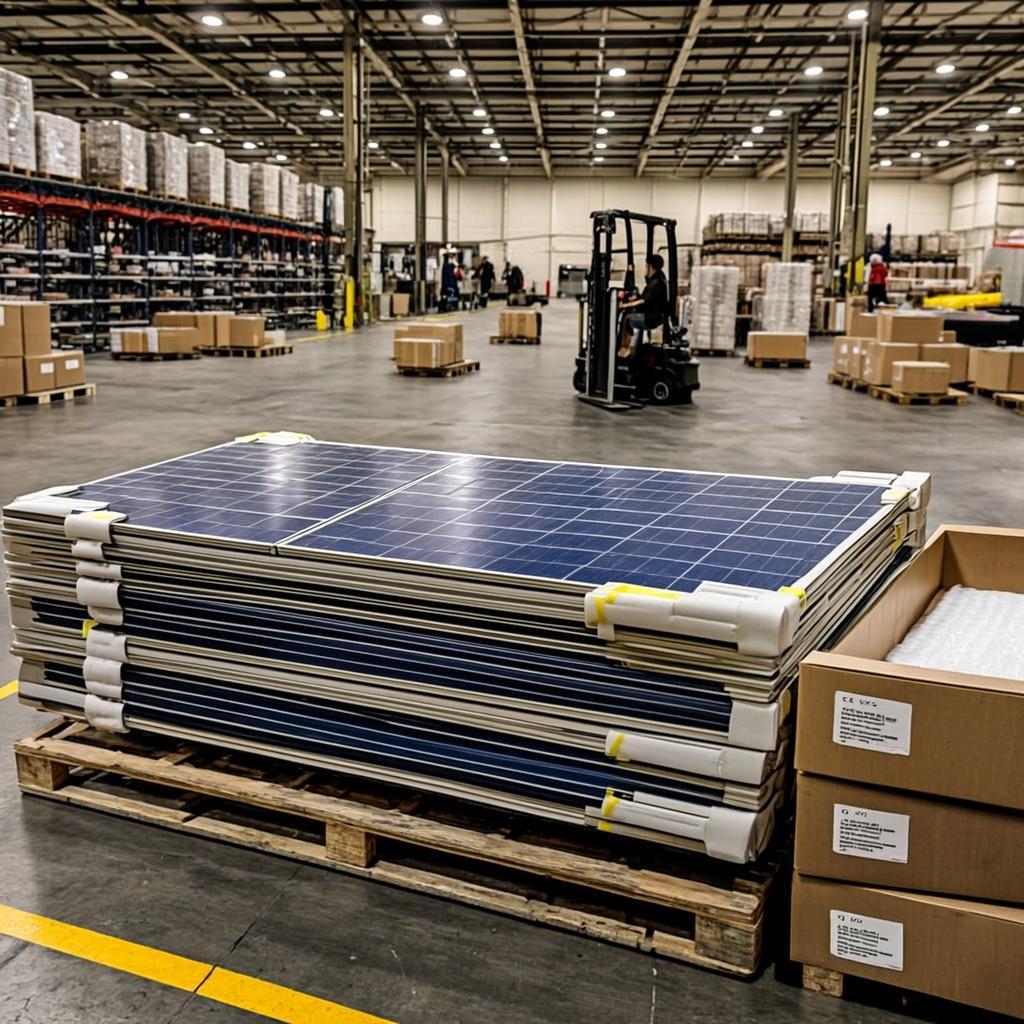
A: Absolutely. We offer various packaging solutions, from standard pallets to specialized container-optimized packing that maximizes load efficiency. We can also accommodate requirements for weather-resistant packaging or pallet-free deliveries for specific logistics chains.
Q5: What is your typical lead time, and how do you handle after-sales support?
A: Lead times vary by product series and order volume but typically range from 2-6 weeks. We provide comprehensive after-sales support, including a dedicated technical contact, access to monitoring platforms for smart modules, and a streamlined claims process for warranty issues, supported by a global network of service partners.
Contact our solar experts today for a detailed quotation, technical datasheets, and a customized energy yield simulation for your project.