

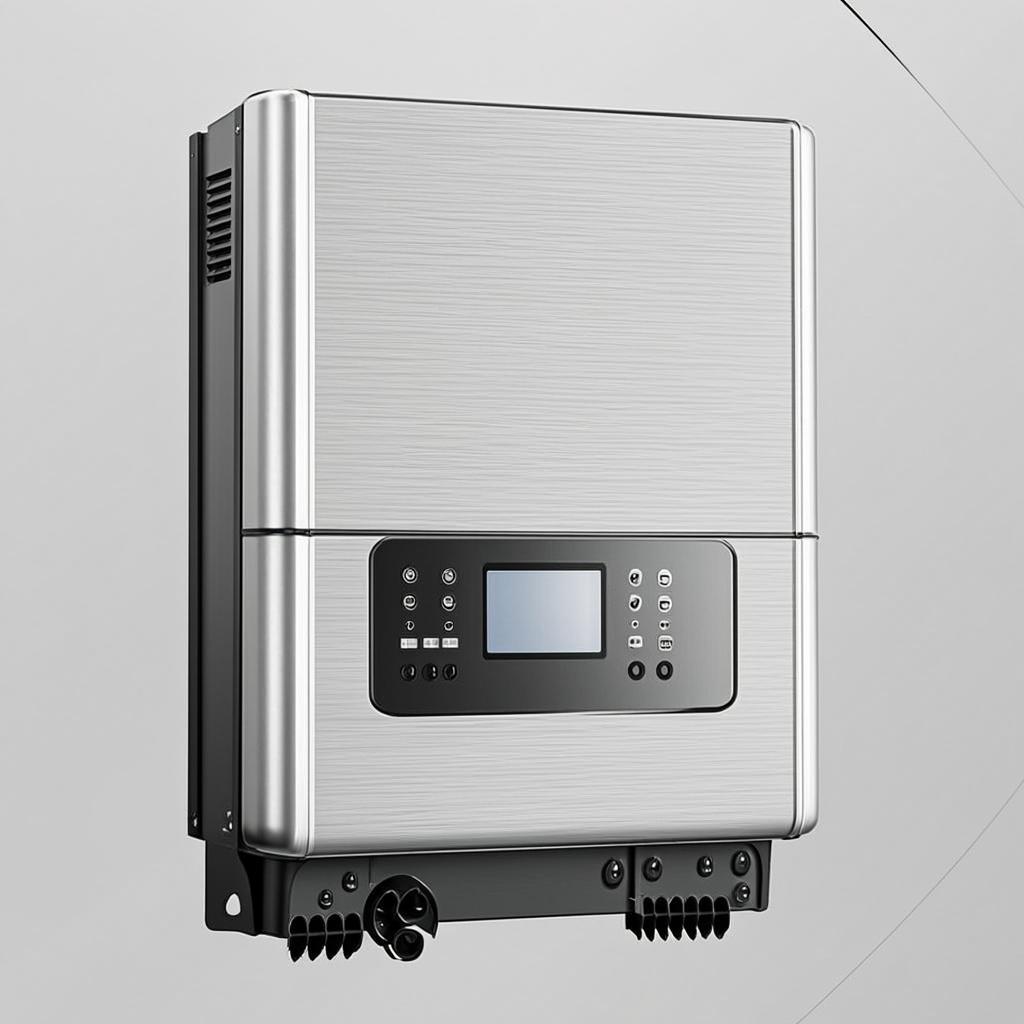
solar panel capacity and size
In the rapidly evolving world of renewable energy, understanding solar panel capacity and size is fundamental to selecting the right solution for your projects. Our high-efficiency solar panels are
Solar Panel Capacity and Size: Precision Engineered for Optimal Performance
1. Product Overview
In the rapidly evolving world of renewable energy, understanding solar panel capacity and size is fundamental to selecting the right solution for your projects. Our high-efficiency solar panels are designed to deliver maximum power output in diverse dimensions, catering to residential, commercial, and industrial applications. Solar panel capacity, measured in watts (W), determines the energy generation potential, while size—typically in millimeters for length, width, and thickness—influences installation flexibility and space efficiency.
Available in capacities ranging from 100W compact modules to 600W+ high-output panels, our products balance power density with physical footprint. For instance, a standard 400W panel might measure 1722 x 1134 x 30mm, ideal for rooftop arrays where space is at a premium. This precise engineering ensures scalability: combine multiple panels to match your energy needs without compromising on aesthetics or structural integrity. Backed by Tier 1 certifications like IEC 61215 and UL 1703, these panels withstand harsh environmental conditions, guaranteeing long-term reliability. Whether you're optimizing solar panel capacity and size for off-grid systems or grid-tied installations, our solutions provide verifiable performance data, including temperature coefficients and low-light efficiency metrics, to support informed B2B decisions.
2. Key Features
- Versatile Capacity Options: From 100W micro-panels for portable applications to 600W bifacial models, allowing precise matching of solar panel capacity and size to load requirements.
- Optimized Dimensions: Sleek profiles (e.g., 30-35mm thickness) reduce wind load and simplify mounting, with frameless options for seamless integrations.
- Advanced Cell Technology: Monocrystalline PERC cells achieve up to 22.5% efficiency, maximizing output per square meter regardless of panel size.
- Durability Enhancements: Anti-PID coating, hail-resistant tempered glass (3.2mm), and anodized aluminum frames ensure 30+ year lifespans.
- Smart Connectivity: Compatible with IoT optimizers for real-time monitoring of capacity utilization and performance degradation.
- Customizable Configurations: Tailor solar panel capacity and size through half-cut cell designs that minimize shading losses and boost overall system yield.
These features collectively address the core challenges in solar panel capacity and size selection, delivering superior energy harvest even in suboptimal conditions like diffuse sunlight or high temperatures.
3. Technical Specifications
| Model | Capacity (W) | Dimensions (L x W x T, mm) | Weight (kg) | Efficiency (%) | Cell Type | Max System Voltage (V) | Warranty (Years) |
|---|---|---|---|---|---|---|---|
| SP-100M | 100 | 1200 x 540 x 30 | 7.5 | 20.5 | Monocrystalline | 1000 | 25 |
| SP-200M | 200 | 1480 x 670 x 30 | 11.2 | 21.0 | Monocrystalline PERC | 1000 | 25 |
| SP-400M | 400 | 1722 x 1134 x 30 | 21.5 | 21.5 | Half-Cut Mono PERC | 1500 | 30 |
| SP-550B | 550 | 2278 x 1134 x 30 | 27.8 | 22.0 | Bifacial Mono PERC | 1500 | 30 |
| SP-600T | 600 | 2465 x 1134 x 35 | 31.2 | 22.5 | TOPCon | 1500 | 30 |
Note: Specifications are STC (Standard Test Conditions: 1000W/m², 25°C, AM 1.5). Solar panel capacity and size data supports array design with tools like PVsyst for accurate yield predictions. All models feature bypass diodes and IP68 junction boxes.
4. Application Scenarios
Selecting the appropriate solar panel capacity and size unlocks efficiency across scenarios. In residential rooftops, 400W panels (1722 x 1134mm) fit standard pitches, generating 1.5-2kW per array for household autonomy. Commercial flat roofs benefit from 550W bifacial models, leveraging rear-side generation for 20-30% extra yield in urban settings.
For industrial parks, 600W TOPCon panels scale to MW-level farms, their elongated size (2465mm) optimizing ground-mount trackers. Off-grid applications, such as remote telecom sites, favor compact 100-200W options for easy transport and battery pairing. Agricultural agrivoltaics pair mid-size panels over crops, balancing shade and power output. In marine or mobile setups, lightweight designs minimize structural demands. Each scenario leverages our solar panel capacity and size portfolio to achieve ROI targets, with degradation rates under 0.55% annually ensuring sustained performance.
5. Advantages
Our solar panels stand out through meticulous attention to solar panel capacity and size, yielding tangible advantages. High power density reduces Balance of System (BoS) costs by 15-20%, as fewer panels cover required areas. Superior low-irradiance response (up to 98% at 200
Related product
- English
- Françai
- Español
- Deutsch
- Română
- العربية
- 한국어
- 日本語
- Italiano
- Português
- Gaeilge
- Dansk
- Čeština
- Русский
- Afrikaans
- Euskara
- Català
- Esperanto
- हिन्दी
- Ελληνικά
- Bahasa Melayu
- Polski
- Српски
- Kiswahili
- ภาษาไทย
- Tiếng Việt
- Türkçe
- Svenska
- Cymraeg
- Slovenčina
- Latviešu
- Malti
- Magyar
- Galego
- ગુજરાતી
- Eesti Keel
- বাংলা
- Shqip
- беларуская мова
- Nederlands
- Tagalog
- ქართული
- Íslenska
- Kreyòl Ayisyen
- Lietuvių
- Norsk
- slovenščina
- தமிழ்
- Українська
- ײִדיש
- اردو
- తెలుగు
- فارسی
- македонски
- ಕನ್ನಡ
- Bahasa Indonesia
- עברית
- Suomi
- Hrvatski
- Български
- Azerbaijani