

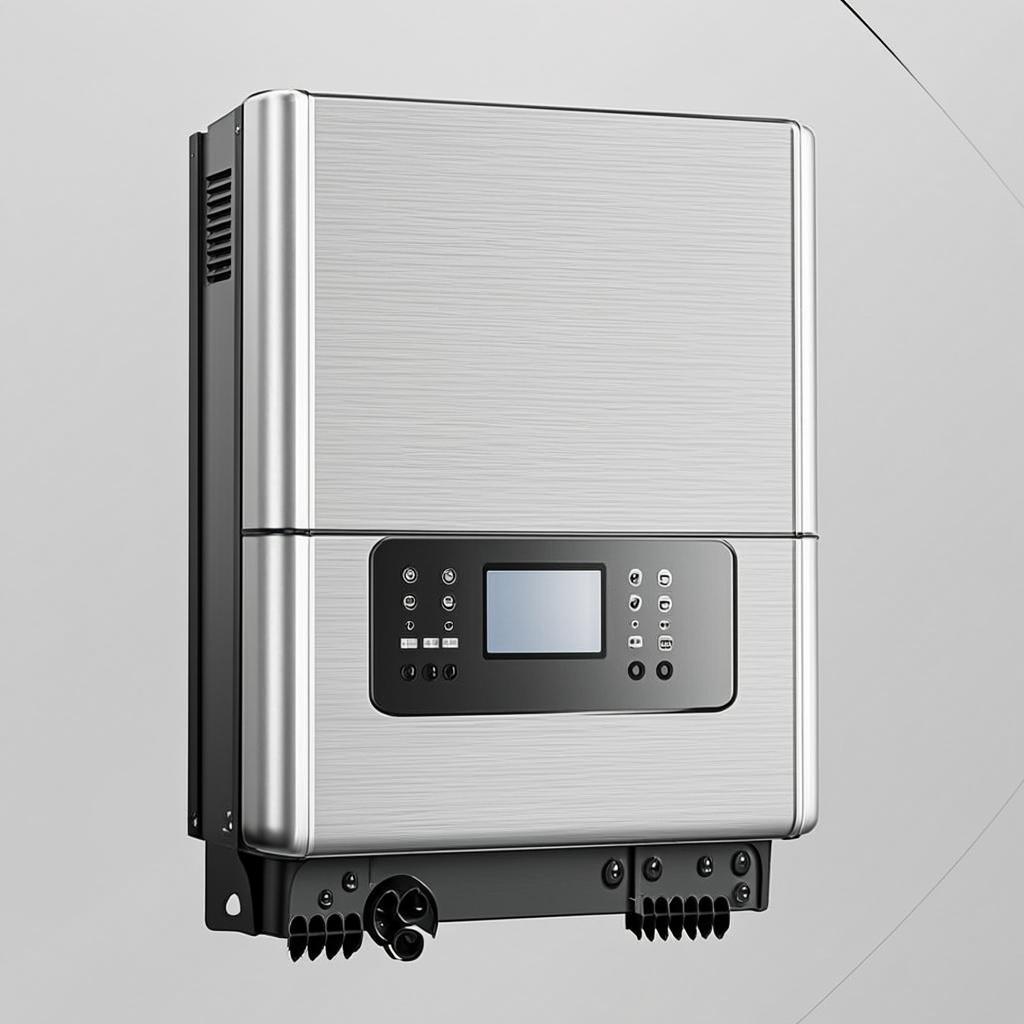
normal solar panel size
In the world of photovoltaic technology, the normal solar panel size represents the industry-standard dimensions optimized for versatility, efficiency, and seamless integration into diverse
Normal Solar Panel Size: Standard Dimensions for Reliable Solar Energy Solutions
Product Overview
In the world of photovoltaic technology, the normal solar panel size represents the industry-standard dimensions optimized for versatility, efficiency, and seamless integration into diverse installations. Typically measuring around 1650mm x 992mm for 60-cell modules or 1960mm x 992mm for 72-cell variants, these panels deliver power outputs ranging from 350W to 550W, making them ideal for residential rooftops, commercial arrays, and large-scale solar farms.
Engineered with monocrystalline or polycrystalline silicon cells, our normal solar panel size ensures high energy yield per square meter while adhering to global standards like IEC 61215 and UL 1703. This standardized footprint simplifies logistics, mounting, and system design, reducing installation time and costs for international buyers. Whether you're sourcing for B2B projects in Europe, Asia, or North America, these panels offer proven durability against harsh weather, with a 25-year linear power warranty guaranteeing at least 84.8% output retention.
The beauty of the normal solar panel size lies in its balance: compact enough for space-constrained applications yet robust for high-volume deployments. Backed by advanced PERC (Passivated Emitter and Rear Cell) technology, they achieve efficiencies up to 21.5%, maximizing ROI in utility-scale and distributed generation projects. As a trusted supplier in international trade, we prioritize quality materials like tempered glass and anodized aluminum frames to withstand PID (Potential Induced Degradation) and salt mist corrosion.
Key Features
- Standardized Dimensions: Precisely crafted to the normal solar panel size of 1650mm x 992mm x 35mm (60-cell) or 1960mm x 992mm x 35mm (72-cell), ensuring compatibility with most racking systems and inverters worldwide.
- High-Efficiency Cells: Monocrystalline PERC cells with multi-busbar design for reduced resistance and superior low-light performance.
- Robust Construction: 3.2mm tempered glass with anti-reflective coating, IP68 junction box, and MC4 connectors for reliable operation in extreme conditions (-40°C to +85°C).
- Excellent PID Resistance: Advanced encapsulation prevents power loss, maintaining long-term reliability.
- Easy Installation: Pre-drilled frames and lightweight design (18-22kg per panel) streamline deployment for large-scale projects.
- Certifications: TUV, CE, INMETRO, and MCS approved, facilitating smooth customs clearance in global markets.
- Performance Optimization: Bifacial options available in normal solar panel size for up to 25% additional rear-side generation.
Technical Specifications
| Parameter | 60-Cell Module (Normal Solar Panel Size) | 72-Cell Module (Normal Solar Panel Size) |
|---|---|---|
| Nominal Power (Pmax) | 350-450W | 450-550W |
| Dimensions (L x W x H) | 1650 x 992 x 35 mm | 1960 x 992 x 35 mm |
| Weight | 18.5 kg | 22 kg |
| Cell Type | Monocrystalline PERC, 156.75mm | Monocrystalline PERC, 156.75mm |
| Efficiency | Up to 20.5% | Up to 21.5% |
| Operating Temperature | -40°C to +85°C | -40°C to +85°C |
| Max System Voltage | 1000V DC | 1500V DC |
| Junction Box | IP68, 3 diodes | IP68, 3 diodes |
| Warranty | 12 years product, 25 years linear power | 12 years product, 25 years linear power |
| Certifications | IEC 61215, IEC 61730, UL 1703 | IEC 61215, IEC 61730, UL 1703 |
Application Scenarios
The normal solar panel size excels in a wide array of B2B applications, from rooftop systems to ground-mounted arrays. In residential projects, its compact 1650mm x 992mm footprint fits standard home roofs, enabling 5-10kW installations with minimal structural modifications. Commercial buildings leverage the 72-cell variant for flat roofs, optimizing space for 50-500kW systems that offset peak-hour electricity costs.
For utility-scale solar farms, the standardized normal solar panel size supports high-density packing, achieving gigawatt-hour outputs with fixed-tilt or tracker mounts. Off-grid scenarios, such as remote telecom towers or agricultural pumps in developing regions, benefit from its reliability and easy transport in standard containers. Industrial parks in Europe and the Middle East use these panels for self-consumption, reducing reliance on grid power amid rising energy prices.
Hybrid systems combining solar with storage also favor this size for balanced aesthetics and performance. In marine environments, salt-resistant models in normal solar panel size power yachts and offshore platforms, while urban solar carports integrate seamlessly into parking structures, promoting sustainable infrastructure worldwide.
Advantages
Opting for the normal solar panel size provides distinct edges in performance and economics. Its universal dimensions eliminate custom engineering, cutting design costs by up to 20% compared to non-standard panels. Higher module efficiency translates to fewer panels needed per kW, lowering balance-of-system expenses like racking and cabling.
Superior thermal coefficients (-0.37%/°C) ensure consistent output in hot climates, outperforming older polycrystalline alternatives. The anodized frame and EVA encapsulation deliver wind load resistance up to 2400Pa and snow load up to 5400Pa, extending lifespan in diverse geographies. For exporters, compliance with international norms simplifies certification and resale.
Moreover, bifacial configurations in normal solar panel size boost energy harvest by capturing reflected light, ideal for white gravel or elevated mounts. Low degradation rates (0.55% annually) maximize LCOE (Levelized Cost of Energy), making it a smart choice for long-term B2B investments.
Why Choose Us
As a leading manufacturer specializing in normal solar panel size for international trade, we combine cutting-edge production with unwavering quality control. Our ISO 9001-certified facilities produce over 2GW annually, utilizing automated lines for precision assembly and electroluminescence testing on 100% of modules.
We offer flexible MOQs, customized branding, and rapid lead times (4-6 weeks) to meet global demand. Partnerships with top-tier suppliers ensure Tier 1 silicon cells, while our R&D team innovates for half-cut and shingled-cell upgrades without deviating from standard sizes. Extensive export experience to 80+ countries guarantees compliance with REACH, RoHS, and local incentives.
Our commitment to sustainability includes recyclable frames and low-carbon manufacturing. Backed by a dedicated logistics network, we deliver normal solar panel size panels palletized and seaworthy, minimizing transit damage. Choose us for reliability, value, and partnership in your solar ventures.
FAQ
What is the exact normal solar panel size for residential use?
The standard is 1650mm x 992mm x 35mm for 60-cell panels, fitting most home roofs efficiently.
Are these panels compatible with major inverters?
Yes, the normal solar panel size works seamlessly with brands like Huawei, SMA, and SolarEdge, supporting 1000-1500V systems.
How does weather impact normal solar panel size performance?
Designed for extremes, they maintain output with low temperature coefficients and hail resistance up to 25mm at 23m/s.
What warranties cover these standard panels?
12-year product warranty and 25-year linear power warranty, with first-year degradation under 2%.
Can I get normal solar panel size in bifacial?
Absolutely, bifacial models offer 10-25% extra yield from the rear side, perfect for ground mounts.
Is bulk shipping feasible for international trade?
Yes, panels stack efficiently in 40HQ containers, holding 600-800 units depending on size.
How do efficiencies compare in normal solar panel size?
Up to 21.5% with PERC tech, outperforming traditional modules while keeping costs competitive.
Related product
- English
- Françai
- Español
- Deutsch
- Română
- العربية
- 한국어
- 日本語
- Italiano
- Português
- Gaeilge
- Dansk
- Čeština
- Русский
- Afrikaans
- Euskara
- Català
- Esperanto
- हिन्दी
- Ελληνικά
- Bahasa Melayu
- Polski
- Српски
- Kiswahili
- ภาษาไทย
- Tiếng Việt
- Türkçe
- Svenska
- Cymraeg
- Slovenčina
- Latviešu
- Malti
- Magyar
- Galego
- ગુજરાતી
- Eesti Keel
- বাংলা
- Shqip
- беларуская мова
- Nederlands
- Tagalog
- ქართული
- Íslenska
- Kreyòl Ayisyen
- Lietuvių
- Norsk
- slovenščina
- தமிழ்
- Українська
- ײִדיש
- اردو
- తెలుగు
- فارسی
- македонски
- ಕನ್ನಡ
- Bahasa Indonesia
- עברית
- Suomi
- Hrvatski
- Български
- Azerbaijani