

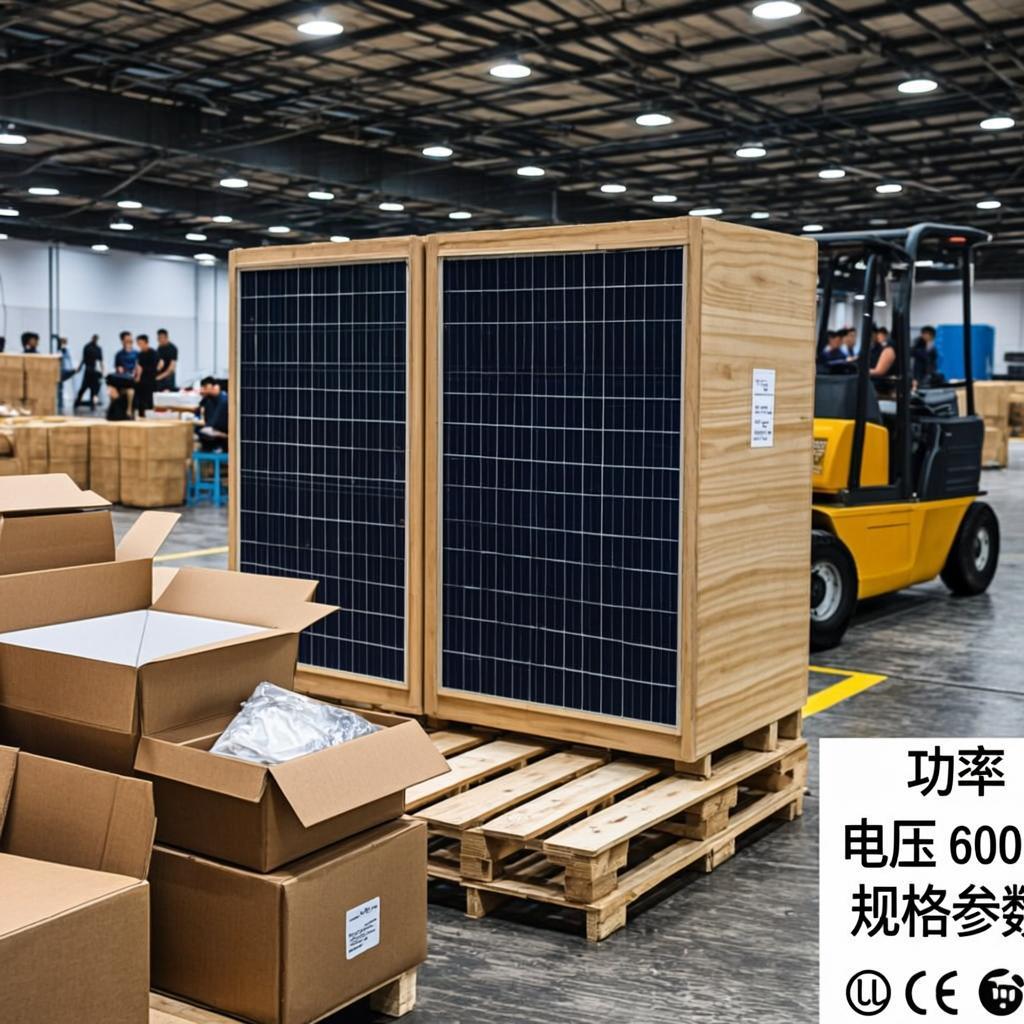
full roof solar panels
Full roof solar panels represent the pinnacle of photovoltaic technology designed for comprehensive roof coverage. These innovative systems are engineered to maximize energy generation by utilizing
Full Roof Solar Panels
1. Product Overview
Full roof solar panels represent the pinnacle of photovoltaic technology designed for comprehensive roof coverage. These innovative systems are engineered to maximize energy generation by utilizing every available square inch of roof space, delivering unparalleled efficiency and output for commercial and industrial applications. Unlike traditional panel installations, full roof solar panels integrate seamlessly as a complete roofing solution, combining solar energy production with superior weatherproofing and structural integrity.
Ideal for large-scale projects, our full roof solar panels are manufactured using advanced monocrystalline silicon cells, ensuring high conversion rates even in low-light conditions. They are built to withstand extreme weather, from high winds to heavy snow loads, making them a reliable choice for international markets. By replacing conventional roofing materials entirely, these panels eliminate the need for separate mounting systems, reducing installation time and costs while providing a sleek, modern aesthetic that enhances property value.
With a focus on sustainability, full roof solar panels contribute significantly to carbon footprint reduction, aligning with global green building standards such as LEED and BREEAM. Businesses adopting these panels achieve energy independence, substantial ROI through feed-in tariffs, and long-term savings on electricity bills. Our panels are certified to international standards, including IEC 61215 and UL 1703, guaranteeing performance and safety across diverse climates.
2. Key Features
- Seamless Full Roof Integration: Designed as a complete roofing membrane, full roof solar panels cover the entire roof surface without gaps, optimizing energy capture and eliminating leak-prone seams.
- High-Efficiency Monocrystalline Cells: Up to 22.5% module efficiency, ensuring maximum power output from limited space—perfect for urban and space-constrained installations.
- Advanced Durability: Tempered glass with anti-reflective coating, anodized aluminum frames, and IP68-rated junction boxes for resistance to corrosion, UV exposure, and extreme temperatures (-40°C to +85°C).
- Bifacial Technology Option: Capture sunlight from both sides, boosting energy yield by up to 30% on reflective surfaces like white roofs.
- Smart Monitoring: Integrated IoT compatibility for real-time performance tracking via mobile apps, enabling predictive maintenance and optimized energy management.
- Fire and Wind Resistance: Class A fire rating and wind load capacity up to 5400 Pa, exceeding building code requirements worldwide.
- Easy Scalability: Modular design allows for phased installations, from 100 kW rooftops to multi-MW solar farms on industrial sheds.
- Aesthetic Versatility: Available in black-on-black and all-black finishes to blend with modern architecture.
3. Technical Specifications
| Parameter | Value | Unit |
|---|---|---|
| Module Type | Monocrystalline Full Roof Solar Panel | - |
| Nominal Power Output | 400-550 | Wp |
| Module Efficiency | 20.5% - 22.5% | % |
| Dimensions (L x W x H) | 1960 x 990 x 30 | mm |
| Weight | 22 | kg |
| Cell Type | PERC Half-Cut Monocrystalline | - |
| Number of Cells | 120 (6x20) | - |
| Open Circuit Voltage (Voc) | 49.5 | V |
| Short Circuit Current (Isc) | 13.8 | A |
| Maximum System Voltage | 1500 | DC V |
| Operating Temperature | -40 to +85 | °C |
| Wind Load | 5400 / 2400 | Pa (Front/Back) |
| Snow Load | 5400 | Pa |
| Hail Resistance | 25mm @ 23 m/s | - |
| Certifications | IEC 61215, IEC 61730, UL 1703, CE, TUV | - |
| Warranty | 25 years linear power, 12 years product | - |
| Junction Box | IP68, 3 diodes | - |
| Cable | 4mm², 1200mm length | - |
Note: Specifications subject to minor variations based on custom configurations. Contact for tailored datasheets.
4. Application Scenarios
Full roof solar panels excel in a variety of demanding environments where maximum energy harvest is critical. In commercial warehouses and logistics centers, they transform vast flat roofs into power plants, generating enough electricity to offset daytime operations and excess for grid export. For instance, a 10,000 m² facility can produce over 1.5 MWp, achieving payback in under 5 years.
Industrial factories with metal roofs benefit from the panels' lightweight design and direct integration, avoiding roof reinforcements. In regions with high electricity tariffs like Europe and Southeast Asia, full roof solar panels enable zero-energy buildings, integrating with battery storage for 24/7 autonomy.
Agricultural applications include solar greenhouses and livestock barns, where panels provide shade, reduce cooling needs, and power irrigation systems. Urban high-rises and retail malls utilize them for rooftop solar arrays that comply with net-zero mandates. Offshore and coastal installations leverage their salt-mist resistance for marine-adjacent structures. Globally, these panels support agrivoltaics, combining crop farming with elevated solar coverage.
5. Advantages
Opting for full roof solar panels delivers multifaceted benefits that set them apart in the competitive solar market. Firstly, their all-in-one design minimizes BOS (balance of system) costs by up to 40%, as no racking, flashing, or ballast is required—installation is as simple as laying shingles.
Superior energy density means 20-30% higher yields compared to spaced panel arrays, crucial for ROI in high-rent urban areas. The panels' low degradation rate (under 0.5% annually) ensures sustained performance over 30+ years, backed by bankable warranties from tier-1 manufacturers.
Environmentally, they promote circular economy principles with 95% recyclable content and zero on-site waste during install. Economically, incentives like ITC in the US or RE100 compliance for corporates amplify returns. Thermally, they cool buildings by reflecting heat, cutting HVAC loads by 15-25%. In essence, full roof solar panels offer a future-proof investment for forward-thinking enterprises.
6. Why Choose Us
As a leading OEM/ODM manufacturer with over 15 years in photovoltaic roofing, we specialize in full roof solar panels tailored for international B2B clients. Our state-of-the-art production lines in Asia adhere to ISO 9001 and ISO 14001, producing 2 GW annually with automated quality controls ensuring <1% defect rates.
We provide end-to-end solutions: from custom panel engineering to global logistics via sea/air freight. Partnerships with EPC firms worldwide enable turnkey projects, complete with simulation software for precise yield forecasting. Our R&D team continuously innovates, incorporating half-cut cells and TOPCon technology for next-gen efficiency.
Reliability is our hallmark—panels rigorously tested in IEC-accredited labs, with third-party verification. Flexible MOQs, competitive pricing, and 30-day lead times make us the preferred supplier for distributors in 50+ countries. Choose us for proven performance, unwavering support, and panels that power your success.
7. FAQ
Q: What makes full roof solar panels different from standard rooftop PV?
A: Full roof solar panels replace the entire roof surface, integrating PV directly into the roofing material for 100% coverage, higher yields, and simplified waterproofing without penetrations.
Q: Are they suitable for all roof types?
A: Yes, compatible with flat, low-slope (up to 5°), and pitched metal roofs. Custom adapters available for retrofits on concrete or membrane roofs.
Q: What is the expected lifespan and performance warranty?
A: 30+ years lifespan with 84.8% output guaranteed after 25 years, per linear warranty curve.
Q: Do they qualify for subsidies and incentives?
A: Absolutely—certified for programs like US ITC 30%, EU Green Deal grants, and APAC feed-in tariffs.
Q: How long does installation take?
A: 50-70% faster than racked systems; a 1 MW project completes in 4-6 weeks with certified crews.
Q: Can they integrate with energy storage?
A: Yes, compatible with leading inverters (e.g., Huawei, SMA) and batteries like Tesla Powerwall or BYD for hybrid systems.
Q: What maintenance is required?
A: Minimal—annual visual inspections and automated cleaning via rain. Remote monitoring detects issues proactively.
Related product
- English
- Françai
- Español
- Deutsch
- Română
- العربية
- 한국어
- 日本語
- Italiano
- Português
- Gaeilge
- Dansk
- Čeština
- Русский
- Afrikaans
- Euskara
- Català
- Esperanto
- हिन्दी
- Ελληνικά
- Bahasa Melayu
- Polski
- Српски
- Kiswahili
- ภาษาไทย
- Tiếng Việt
- Türkçe
- Svenska
- Cymraeg
- Slovenčina
- Latviešu
- Malti
- Magyar
- Galego
- ગુજરાતી
- Eesti Keel
- বাংলা
- Shqip
- беларуская мова
- Nederlands
- Tagalog
- ქართული
- Íslenska
- Kreyòl Ayisyen
- Lietuvių
- Norsk
- slovenščina
- தமிழ்
- Українська
- ײִדיש
- اردو
- తెలుగు
- فارسی
- македонски
- ಕನ್ನಡ
- Bahasa Indonesia
- עברית
- Suomi
- Hrvatski
- Български
- Azerbaijani