


Maximize Energy Yield with High-Efficiency Dual Sided Solar Panels
In the competitive landscape of commercial and utility-scale solar energy, maximizing return on investment requires innovative technology that captures every available photon. Our advanced dual sided solar panels (bifacial modules) represent the next evolution in photovoltaic efficiency. Engineered to generate power from both the front and rear sides, these panels utilize reflected and ambient light to deliver significantly higher energy output per installed area compared to traditional monofacial modules. Designed for durability and performance in diverse environments, they are the optimal solution for projects where land use efficiency and levelized cost of energy (LCOE) are critical metrics.
Key Features of Our Dual Sided Solar Panels
- Bifacial N-Type TOPCon Cells: Utilizing N-type silicon with Tunnel Oxide Passivated Contact (TOPCon) technology, our cells offer superior bifaciality, lower degradation rates, and higher temperature coefficients, ensuring more stable and efficient long-term performance.
- High Transparency Tempered Glass: Both the front and rear surfaces are constructed with robust, high-transparency tempered glass. This not only enhances light capture from all angles but also provides exceptional mechanical strength and resistance to environmental stress.
- Optimized Frame Design: A specially engineered low-profile, anodized aluminum frame minimizes shading on the rear side, allowing for maximum albedo light absorption while ensuring structural integrity.
- Enhanced Durability: With an IP68-rated junction box and resistance to PID (Potential Induced Degradation), ammonia, and salt mist, these panels are built to withstand harsh conditions for 30+ years.
- Smart Compatibility: Designed for seamless integration with single-axis and dual-axis tracking systems, which can amplify the energy gain from the rear side by up to 35%.
Technical Specifications
| Parameter | Specification |
|---|---|
| Cell Technology | N-Type TOPCon, Bifacial |
| Nominal Power (Front Side) | 550W - 620W |
| Bifaciality Factor | ≥ 70% |
| Module Efficiency | 22.5% - 23.8% |
| Power Temperature Coefficient | -0.30 %/°C |
| Dimensions (L x W) | 2278mm x 1134mm |
| Weight | 32.5 kg |
| Front/Rear Glass | 2.0mm High-Transmission Tempered Glass |
| Frame | Anodized Aluminum Alloy |
| Warranty | 30-Year Linear Power Output, 15-Year Product |
Application Scenarios
The unique ability of dual sided solar panels to harvest reflected light makes them exceptionally versatile for a wide range of commercial and industrial applications:
- Ground-Mount Solar Farms: Ideal over highly reflective surfaces like white gravel, sand, or specially designed reflective ground covers. Pair with tracking systems for maximum yield.
- Commercial Flat Roofs: Mounted on raised racking systems, they capture light reflected from the rooftop membrane, increasing energy density without requiring more roof space.
- Carport and Parking Canopies: Generate power from direct sunlight above while utilizing light reflected from the paved surface below, providing dual functionality.
- Agricultural Agrivoltaics: Elevated installations allow for dual land use—solar generation above and crop cultivation below. The rear-side gain complements the reflective properties of certain crops and soil.
- Noise Barriers & Vertical Installations: Perfect for highway sound barriers or building-integrated PV (BIPV) on facades, capturing light from both east and west exposures throughout the day.
Advantages Over Traditional Solar Panels
- Higher Energy Yield: Achieve up to 30% more energy generation compared to monofacial panels of similar wattage, depending on installation conditions, directly improving project ROI.
- Superior LCOE: The increased energy output per panel reduces the Levelized Cost of Energy, making projects more financially attractive and competitive.
- Enhanced Reliability: The dual-glass, frameless (or low-frame) construction is more resistant to moisture ingress, corrosion, and mechanical loads like wind and snow.
- Long-Term Performance: N-Type TOPCon cells exhibit significantly lower light-induced degradation (LID) and better performance in high-temperature environments, ensuring a more stable energy output over decades.
- Greater Design Flexibility: Enables innovative project designs, such as higher mounting for agrivoltaics or vertical bifacial fences, unlocking new markets and applications.
Why Choose Our Dual Sided Solar Panels?
Selecting the right module supplier is crucial for the success of your large-scale project. Here’s what sets us apart:
- Proven Expertise in Bifacial Technology: We specialize in advanced bifacial solutions, with a dedicated R&D team focused on maximizing the bifacial gain and durability of every module.
- Rigorous Quality Control: Every batch of panels undergoes stringent testing under STC and real-world conditions to guarantee performance, safety, and compliance with international certifications (IEC, UL, CE).
- Global Supply Chain & Support: We offer reliable, large-volume supply with comprehensive logistical support and professional after-sales service, ensuring your project stays on schedule.
- Technical Partnership: Our engineering team provides full support, from system design optimization for bifacial gain to detailed yield simulations using industry-leading software.
- Commitment to Sustainability: Our manufacturing process emphasizes reduced carbon footprint and recyclable materials, aligning your project with broader environmental, social, and governance (ESG) goals.
Frequently Asked Questions (FAQ)
How much extra energy can I expect from dual sided solar panels?
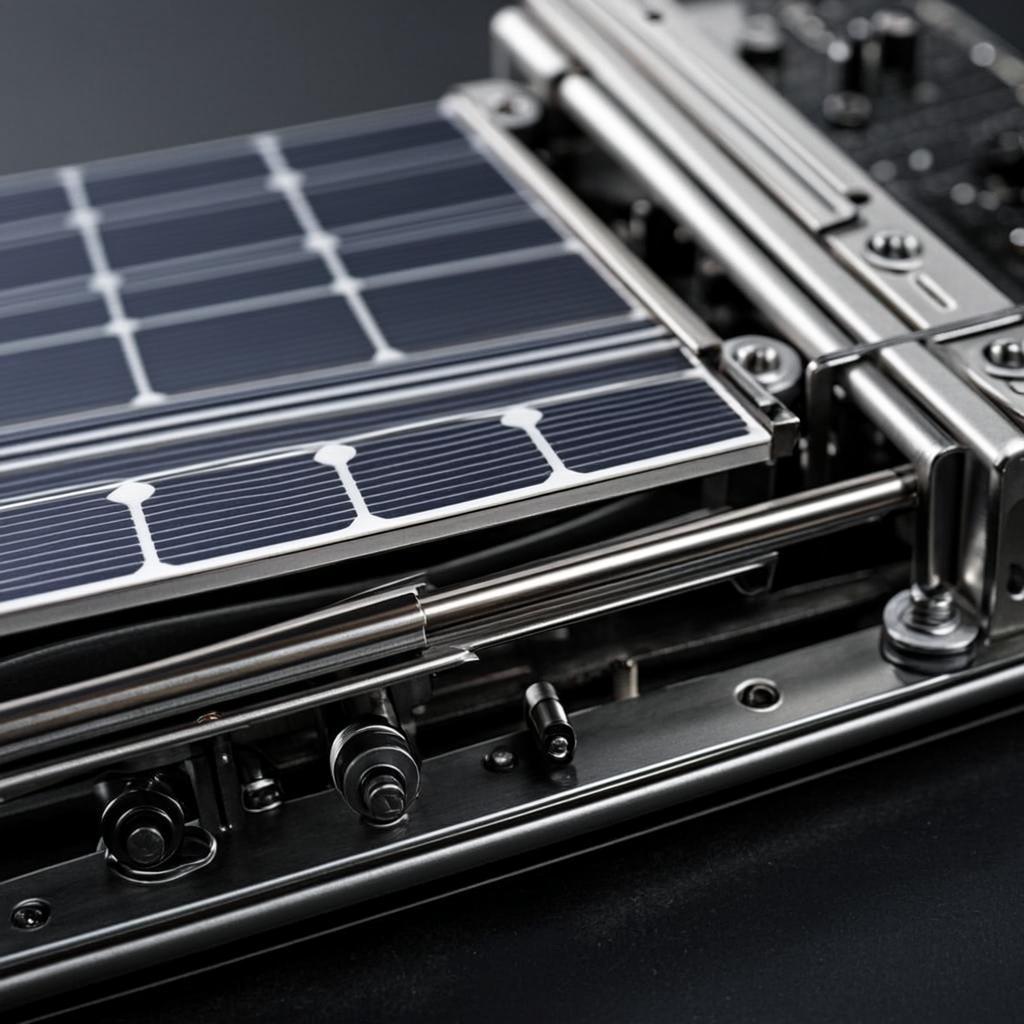
The additional energy gain, or "bifacial gain," typically ranges from 5% to 30%. It depends heavily on the installation environment: surface albedo (reflectivity), mounting height, tilt angle, and whether a tracking system is used. We provide detailed simulation reports for your specific site conditions.
Are these panels more expensive than monofacial panels?
While the initial cost per watt may be slightly higher, the significantly increased energy output results in a lower Levelized Cost of Energy (LCOE). This makes dual sided solar panels a more cost-effective solution over the system's lifetime, especially for large-scale installations.
Do I need a special inverter for bifacial systems?
No, standard string or central inverters are compatible. However, it is recommended to use inverters and system design software that can accurately model and manage the higher and potentially more variable DC input from bifacial arrays.
What surface albedo is best for maximizing performance?
Higher albedo surfaces yield better results. Concrete (20-40%), white gravel (25-50%), and specialized reflective ground sheets (up to 90%) are excellent. Green grass (15-25%) is moderate, while asphalt (5-10%) provides minimal gain.
How does the warranty work for the rear-side power?
Our 30-year linear power output warranty guarantees a minimum power output based on the front-side rated power. The additional energy from the rear side is a performance bonus that enhances your overall yield but is not separately warranted, as it is highly site-dependent.