


High-Efficiency Bifacial Solar Panels: Maximize Your Energy Yield
In the competitive landscape of solar energy, maximizing return on investment is paramount. Our advanced bifacial solar panels represent the next generation of photovoltaic technology, engineered to capture sunlight from both the front and rear sides. This innovative design significantly boosts energy output compared to traditional monofacial panels, making them an ideal solution for commercial, industrial, and utility-scale projects. For businesses seeking a superior energy solution, understanding the value proposition within a comprehensive bifacial solar panel price list is the first step toward a more profitable and sustainable operation.
Product Overview
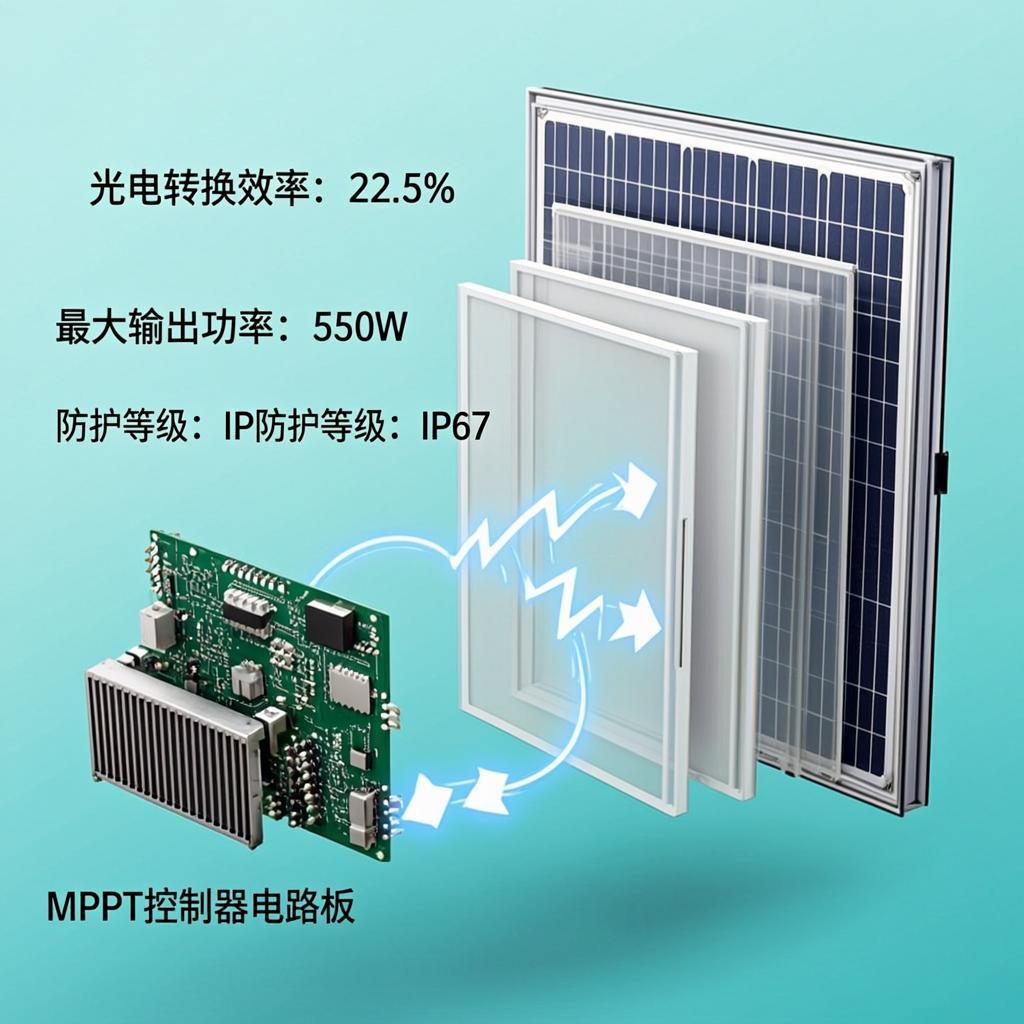
Our bifacial solar modules utilize high-performance monocrystalline PERC cells combined with a transparent backsheet or dual-glass construction. This allows the panel to absorb direct sunlight on the front while capturing reflected and diffused light (albedo) on the rear. The result is a remarkable increase in total energy generation—typically 5% to 30% higher than equivalent monofacial panels, depending on installation conditions. Designed for durability and long-term performance, these panels are the cornerstone of high-yield solar arrays where performance and reliability are non-negotiable.
Key Features
- Dual-Side Energy Harvesting: Generates power from both sides, leveraging ground-reflected light to increase total system yield.
- Robust Dual-Glass Construction: Many models feature tempered glass on both sides, enhancing durability, mechanical load resistance (up to 5400Pa), and long-term reliability with reduced degradation rates.
- Excellent Low-Light Performance: Advanced cell technology ensures efficient operation during early morning, late evening, and in overcast conditions.
- PID-Resistant & Anti-Reflective Coating: Mitigates Potential Induced Degradation and reduces surface reflection, capturing more sunlight.
- Optimized for Various Mounting Systems: Compatible with ground-mounted systems, carports, and specialized structures that maximize rear-side gain.
Technical Specifications
| Parameter | Specification | Details / Benefits |
|---|---|---|
| Cell Type | Monocrystalline PERC (Bifacial) | High efficiency & excellent bifaciality factor. |
| Nominal Power (Pmax) | 550W - 670W | High power class reduces BOS (Balance of System) costs. |
| Bifaciality Factor | ≥ 70% | Measures rear-side efficiency; higher factor means more gain. |
| Module Efficiency | Up to 21.8% | Superior conversion of sunlight into electrical energy. |
| Frame / Construction | Anodized Aluminum / Dual Glass or Transparent Backsheet | Corrosion-resistant, high strength, 30-year linear power warranty. |
| Operating Temperature | -40°C to +85°C | Reliable performance in extreme climates. |
| Product Warranty | 15 Years | Comprehensive guarantee on materials and workmanship. |
| Power Warranty | 30-Year Linear | Guaranteed power output: 92% in year 1, ≥ 85% in year 30. |
Application Scenarios
The unique advantage of bifacial technology is fully realized in installations with high albedo surfaces. Key applications include:
- Large-Scale Solar Farms: Ground-mounted systems over light-colored soil, sand, or with reflective gravel.
- Commercial & Industrial Rooftops: Especially those with white, reflective membranes or elevated structures.
- Solar Carports & Canopies: Captures light reflected from the pavement below.
- Agrivoltaics & Water Bodies: Installations over water (floatovoltaics) or agricultural land benefit from high reflectivity.
- Noise Barriers & Vertical Installations: Along highways or as building-integrated PV (BIPV) on facades.
Advantages Over Traditional Panels
Choosing bifacial technology translates into tangible financial and operational benefits. The higher energy density reduces the Levelized Cost of Energy (LCOE), meaning more power is generated per square meter of land or rooftop. This efficiency can lead to significant savings on land leasing, racking, and cabling. Furthermore, the robust dual-glass design often leads to a longer operational lifespan and better resistance to environmental stressors like humidity, ammonia, and salt mist. When evaluating a bifacial solar panel price list, it is crucial to consider this total lifetime value and increased energy yield, not just the initial module cost.
Why Choose Us as Your Bifacial Panel Supplier
We are a tier-1 manufacturer with a proven track record in the global solar industry. Our commitment goes beyond supplying products; we provide energy solutions.
- In-House R&D & Manufacturing: Full control over the production process ensures consistent, high-quality output and strict compliance with international standards (IEC, UL).
- Technical Expertise & Support: Our engineering team assists with system design optimization to maximize your bifacial gain based on specific site conditions.
- Competitive & Transparent Pricing: We offer clear, scalable pricing models. Request our detailed bifacial solar panel price list for project-specific quotations.
- Global Logistics & Warranty Service: Streamlined supply chain management ensures timely delivery, backed by robust, bankable warranty policies honored worldwide.
- Commitment to Sustainability: Our manufacturing processes prioritize environmental responsibility, aligning with the green goals of our partners.
Frequently Asked Questions (FAQ)
How much more energy can bifacial panels produce?
The energy gain typically ranges from 5% to 30% over monofacial panels. The exact figure depends on the albedo (reflectivity) of the surface beneath the array, the installation height, and the module's bifaciality factor. Systems over white gravel or concrete will see higher gains than those over grass or asphalt.
Are bifacial panels more expensive?
While the initial cost per panel may be slightly higher, the increased energy yield significantly improves the project's overall economics. The higher energy output per module often leads to a lower Levelized Cost of Energy (LCOE) and a faster return on investment, making them a cost-effective choice for most large-scale applications.
Do I need a special mounting system?
Bifacial panels work best with mounting systems that minimize shading on the rear side. Elevated structures (e.g., single-axis trackers or high-clearance fixed-tilt racks) are ideal. We provide guidance on optimal system design to ensure you capture the full benefit.
How do I get a detailed quote?
Contact our sales team with your project specifications (size, location, desired mounting). We will provide a tailored bifacial solar panel price list and a comprehensive financial analysis showing projected energy gains and ROI.
What is the typical lead time for large orders?
Lead times vary based on order volume and model. Generally, for container-sized orders, production and shipping can be arranged within 4-8 weeks. We work closely with clients to align with project timelines.
Ready to elevate your solar project's performance? Contact our team today to discuss your requirements and receive a competitive, project-specific bifacial solar panel price list. Let us help you harness the full power of the sun.