

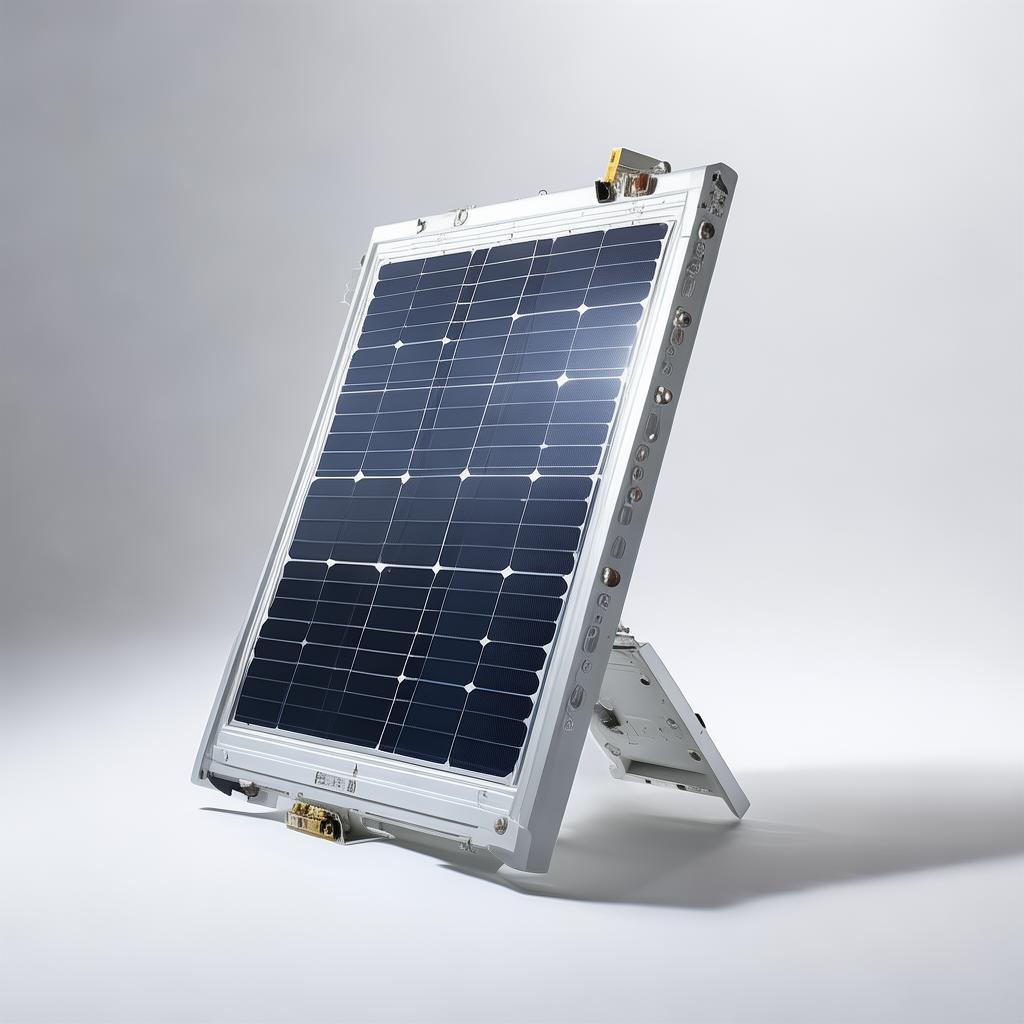
back side of solar panel
High-Performance Back Sheet Solutions: Optimizing the Back Side of Solar Panel Durability 1. Product Overview In the photovoltaic (PV) industry, the back side of solar panel is often overlooked, yet i
High-Performance Back Sheet Solutions: Optimizing the Back Side of Solar Panel Durability
1. Product Overview
In the photovoltaic (PV) industry, the back side of solar panel is often overlooked, yet it plays a critical role in long-term energy yield and module safety. Our advanced Back Sheet (Rear Layer) is engineered to provide superior electrical insulation, moisture resistance, and UV protection for crystalline silicon modules. Designed for 30+ year lifespans, this back sheet ensures that the back side of solar panel remains stable under extreme environmental stress, from desert heat to coastal humidity.
Whether you are a module manufacturer seeking IEC 61215-certified components or a EPC contractor requiring reliable BOM materials, our back sheet delivers the mechanical robustness and dielectric strength needed for modern bifacial and monofacial panels.
2. Key Features
- Triple-Layer Co-Extrusion Technology: The back side of solar panel is protected by a fluorine-based outer layer (PVDF or FEVE), a PET core for insulation, and an EVA bonding layer for lamination compatibility.
- Ultra-High Hydrolytic Resistance: Withstands 85°C/85% RH damp heat testing for 3,000+ hours without delamination.
- Excellent UV Reflectivity: White back sheets reflect up to 93% of incident light, increasing module power output by 2-3% through light trapping on the back side of solar panel.
- Anti-PID Performance: High volume resistivity (>10¹⁵ Ω·cm) prevents potential-induced degradation.
- Flexible & Tear-Resistant: Suitable for both framed and frameless laminations, with a tear strength of >120 N/mm.
- Environmentally Compliant: RoHS, REACH, and PFAS-free options available.
3. Technical Specifications
| Parameter | Value | Test Standard |
|---|---|---|
| Thickness (Total) | 300 ± 30 µm | IEC 60664-1 |
| Breakdown Voltage | >20 kV | IEC 60243-1 |
| CTI (Comparative Tracking Index) | >600 V | IEC 60112 |
| Water Vapor Transmission Rate (WVTR) | <0.5 g/m²/day | ASTM F1249 |
| Peel Strength (to EVA) | >60 N/cm | IEC 61215 |
| Thermal Conductivity | 0.25 W/m·K | ASTM C518 |
| UV Aging (UV 300 kWh/m²) | ΔE < 2.0, No cracking | IEC 62788-2 |
| Damp Heat Resistance | 3,000 h @ 85°C/85% RH | IEC 61215 MQT 13 |
| Flame Class | Class A (UL 94 V-0) | UL 94 |
Note: Custom thickness (250–400 µm) and color (white, black, transparent) are available for specific module designs.
4. Application Scenarios
4.1 Utility-Scale Solar Farms
In large ground-mount installations, the back side of solar panel is constantly exposed to wind, sand, and temperature swings. Our back sheet’s high abrasion resistance and UV stability ensure minimal degradation in desert environments.
4.2 Rooftop & Building-Integrated PV (BIPV)
For rooftop systems, especially in humid coastal regions, the back side of solar panel must resist salt mist and ammonia corrosion. Our product has passed IEC 61701 salt mist testing and is ideal for marine or agricultural installations.
4.3 Bifacial Modules
With the rise of bifacial technology, the back side of solar panel requires high transparency (for glass-glass modules) or optimized reflectivity (for white back sheets). Our transparent back sheet allows up to 91% light transmission, maximizing rear-side energy harvest.
4.4 Floating Solar (Floatovoltaics)
Floating PV arrays demand exceptional moisture barrier performance. Our back sheet’s WVTR < 0.5 g/m²/day prevents water ingress even when the back side of solar panel is in direct contact with high-humidity air.
5. Advantages
- Cost-Effective Alternative to Glass-Glass: Offers similar protection at a fraction of the weight and cost, reducing logistics and mounting structure expenses.
- Enhanced Energy Yield: The white reflective layer on the back side of solar panel reduces module temperature by 2-3°C through lower infrared absorption, improving efficiency in hot climates.
- Long-Term Reliability: 30-year lifespan with <5% degradation in mechanical properties, backed by accelerated aging data from TÜV Rheinland.
- Easy Lamination Processing: Compatible with standard EVA/POE encapsulants; no special curing conditions required.
- Global Logistics Support: Available in rolls (50–200 m length) with custom slitting for automated layup lines.
6. Why Choose Us
1. Proven Track Record
Over 15 GW of modules installed globally use our back sheet. Our manufacturing facility is ISO 9001:2015 and IATF 16949 certified.
2. R&D Innovation
We invest 7% of revenue into material science. Our latest development—a self-cleaning textured back side of solar panel—reduces soiling by 30%.
3. Customization
Need a specific color, thickness, or printed logo on the back side of solar panel? Our in-house coating line allows rapid prototyping within 10 days.
4. Sustainability
All our products are manufactured using 100% renewable energy and are 100% recyclable at end-of-life. We provide a take-back program for production scrap.
5. Technical Support
Our team of PhD material scientists provides free lamination optimization and field failure analysis for all B2B clients.
7. FAQ
Q1: How does the back side of solar panel affect module efficiency?
A: The back side of solar panel influences efficiency in two ways: (1) A white/reflective back sheet increases light capture by bouncing unabsorbed light back into the cell, boosting current. (2) A back sheet with high thermal emissivity helps cool the module, improving voltage output. Our product optimizes both factors.
Q2: Can this back sheet be used for flexible solar panels?
A: Yes. Our standard back sheet has a minimum bending radius of 30 mm, making it suitable for semi-flexible modules. For fully flexible panels, we offer a thinner (200 µm) version with enhanced elongation (>80%).
Q3: What is the difference between PVDF and FEVE coatings on the back side of solar panel?
A: PVDF (Polyvinylidene Fluoride) offers superior UV resistance and is the industry standard for white back sheets. FEVE (Fluoroethylene Vinyl Ether) provides better chemical resistance and is often used in transparent back sheets for bifacial modules. Both are available in our product line.
Q4: How do I store back sheet rolls before lamination?
A: Store in a cool, dry environment (15–30°C, <60% RH) away from direct sunlight. Use within 12 months of delivery. The back side of solar panel should be handled with clean gloves to avoid contamination.
Q5: Do you provide samples for testing?
A: Absolutely. We offer free A4-sized samples for lamination trials. For full roll samples, a nominal fee applies, refundable with your first order. Contact our sales team to request a sample kit.
Q6: Is this back sheet compatible with TOPCon and HJT cell technologies?
A: Yes. Our back sheet has been tested with both TOPCon and HJT cells. For HJT cells, which are more sensitive to UV, we recommend our UV-cut version that blocks 99% of UV light below 380 nm, protecting the amorphous silicon layers on the back side of solar panel.
Ready to upgrade the back side of your solar panels? Request a quote or technical datasheet today. Contact our B2B sales team for volume pricing and lead times.
Related product
- English
- Françai
- Español
- Deutsch
- Română
- العربية
- 한국어
- 日本語
- Italiano
- Português
- Gaeilge
- Dansk
- Čeština
- Русский
- Afrikaans
- Euskara
- Català
- Esperanto
- हिन्दी
- Ελληνικά
- Bahasa Melayu
- Polski
- Српски
- Kiswahili
- ภาษาไทย
- Tiếng Việt
- Türkçe
- Svenska
- Cymraeg
- Slovenčina
- Latviešu
- Malti
- Magyar
- Galego
- ગુજરાતી
- Eesti Keel
- বাংলা
- Shqip
- беларуская мова
- Nederlands
- Tagalog
- ქართული
- Íslenska
- Kreyòl Ayisyen
- Lietuvių
- Norsk
- slovenščina
- தமிழ்
- Українська
- ײִדיש
- اردو
- తెలుగు
- فارسی
- македонски
- ಕನ್ನಡ
- Bahasa Indonesia
- עברית
- Suomi
- Hrvatski
- Български
- Azerbaijani