

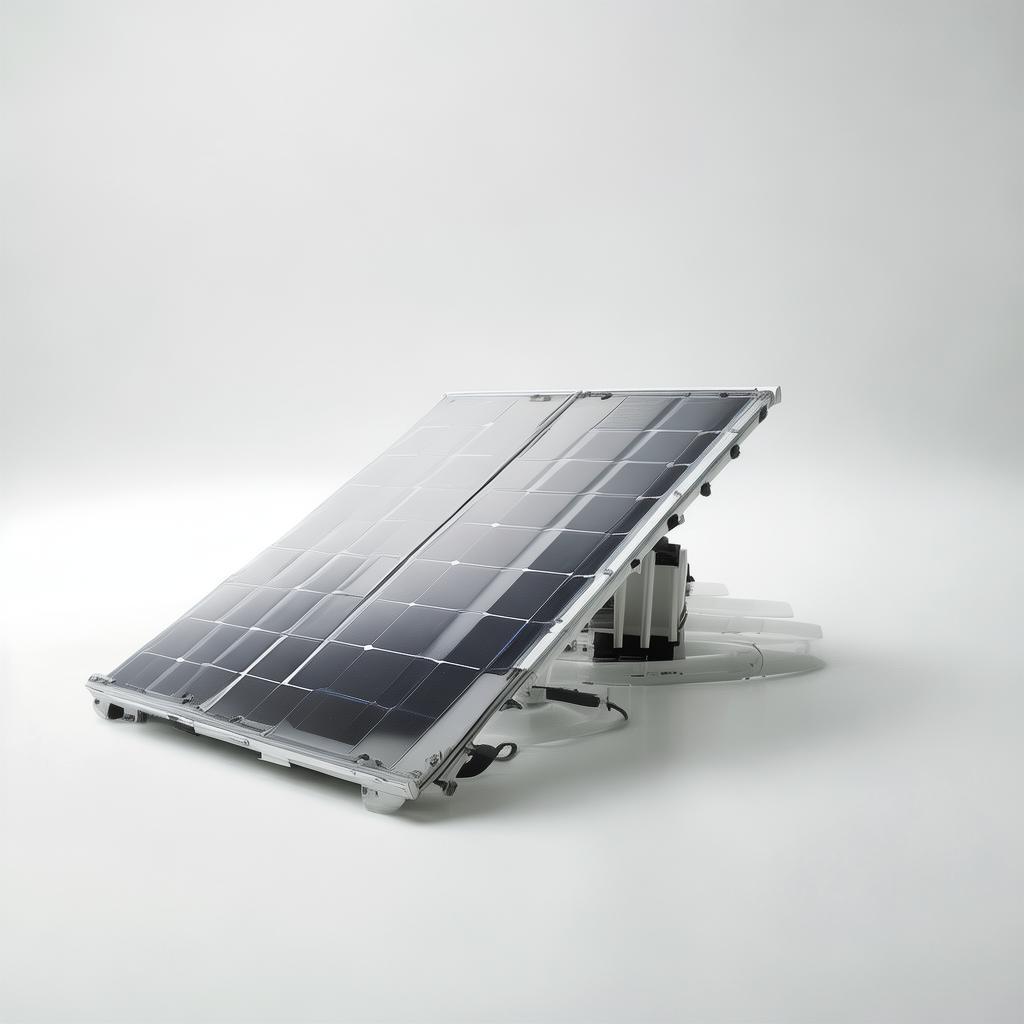
advantages of monocrystalline solar panels
Monocrystalline solar panels represent the pinnacle of photovoltaic technology, engineered from a single continuous crystal structure of high-purity silicon. This advanced manufacturing process
Advantages of Monocrystalline Solar Panels
Product Overview
Monocrystalline solar panels represent the pinnacle of photovoltaic technology, engineered from a single continuous crystal structure of high-purity silicon. This advanced manufacturing process delivers superior performance, making them the preferred choice for demanding B2B applications worldwide. The advantages of monocrystalline solar panels include unmatched efficiency rates, longevity, and reliability, even in challenging environmental conditions.
In the competitive landscape of international trade, these panels stand out due to their ability to convert sunlight into electricity with minimal waste. Ideal for large-scale installations, they offer a higher power output per square meter compared to polycrystalline or thin-film alternatives. Businesses seeking sustainable energy solutions benefit from their sleek black appearance and robust construction, ensuring both aesthetic appeal and operational excellence. As global demand for renewable energy surges, understanding the advantages of monocrystalline solar panels positions your projects for long-term success and cost savings.
Key Features
- High Efficiency Cells: Up to 22% conversion efficiency, maximizing energy yield in limited spaces.
- Single Crystal Purity: Uniform silicon structure minimizes energy loss and enhances performance.
- Anti-Reflective Coating: Reduces glare and increases light absorption for optimal output.
- Tempered Glass and Aluminum Frame: Exceptional durability against hail, wind, and corrosion.
- Bypass Diodes: Prevents shading losses, ensuring consistent power generation.
- Low Temperature Coefficient: Maintains efficiency in high-heat environments.
- 25-Year Linear Power Warranty: Guarantees at least 80% output over the panel's lifespan.
Technical Specifications
| Parameter | Value | Description |
|---|---|---|
| Cell Type | Monocrystalline Silicon | 156.5mm x 156.5mm high-efficiency cells |
| Maximum Power (Pmax) | 400W - 550W | Customizable ranges for diverse project needs |
| Module Efficiency | 20.5% - 22.0% | Industry-leading conversion rates |
| Open Circuit Voltage (Voc) | 49.5V | Optimized for string inverters |
| Short Circuit Current (Isc) | 13.8A | Stable under varying loads |
| Dimensions (L x W x H) | 1960 x 992 x 40 mm | Compact design for easy handling |
| Weight | 22.5 kg | Lightweight for roof and ground mounts |
| Temperature Coefficient (Pmax) | -0.37%/°C | Superior heat tolerance |
| Maximum System Voltage | 1500V DC | Compliant with IEC standards |
| Operating Temperature | -40°C to +85°C | Reliable in extreme climates |
| Warranty | 12 years product, 25 years linear power | Ensures long-term investment security |
| Certifications | UL, IEC 61215, IEC 61730, CE | Global compliance for seamless exports |
Application Scenarios
Monocrystalline solar panels excel in a wide array of B2B deployment scenarios, leveraging their core advantages of monocrystalline solar panels such as space efficiency and high output. In commercial rooftops, they maximize energy harvest from constrained urban spaces, reducing electricity bills for office buildings and warehouses.
For industrial solar farms, their durability supports ground-mounted arrays spanning hectares, delivering gigawatt-scale power with minimal land use. Off-grid applications, including remote mining operations and telecom towers, benefit from their reliable performance in low-light conditions. Residential complexes and agricultural greenhouses also utilize these panels for hybrid systems, combining grid-tie and backup power.
Emerging sectors like EV charging stations and floating solar installations highlight their versatility, where high efficiency translates to faster ROI. Across marine environments or high-altitude sites, the panels' resistance to PID (Potential Induced Degradation) ensures uninterrupted service.
Advantages
The advantages of monocrystalline solar panels are rooted in their cutting-edge production via the Czochralski process, yielding crystals with fewer impurities and defects. This results in higher electron mobility, translating to efficiency levels often exceeding 20%, far surpassing polycrystalline panels at 15-18%.
Space optimization is a key benefit: their superior wattage per square foot allows installations on limited rooftops without compromising output, ideal for high-value real estate in international markets. Durability shines through with a proven lifespan of 25-40 years, backed by minimal degradation rates of under 0.5% annually.
In low-light performance, monocrystalline panels generate more power during cloudy days or dawn/dusk periods due to their uniform crystal lattice, minimizing downtime. Temperature resilience further amplifies advantages, with lower thermal coefficients preventing output drops in hot climates prevalent in regions like the Middle East and Australia.
Economically, the advantages of monocrystalline solar panels include faster payback periods—often 4-6 years—driven by higher energy yields and reduced balance-of-system costs. Their aesthetic uniformity enhances property values, while recyclability aligns with ESG standards for corporate buyers.
Compared to alternatives, they offer lower LCOE (Levelized Cost of Energy) over time, making them a strategic choice for exporters targeting Tier-1 markets in Europe and North America.
Why Choose Us
As a leading manufacturer in the international solar trade, we deliver monocrystalline solar panels that embody the full spectrum of advantages of monocrystalline solar panels. Our state-of-the-art facilities employ automated production lines adhering to ISO 9001 and ISO 14001 standards, ensuring batch-to-batch consistency.
We provide end-to-end solutions, from OEM customization to turnkey project support, with capacities exceeding 5GW annually. Rigorous third-party testing by TUV and UL guarantees performance claims, while our global logistics network facilitates seamless deliveries to over 80 countries.
Our commitment to innovation includes PERC and half-cut cell technologies, pushing efficiency boundaries. With a decade of B2B expertise, we offer flexible MOQs, competitive pricing, and value-added services like system design and financing partnerships, empowering your renewable energy ventures.
FAQ
What are the main advantages of monocrystalline solar panels over polycrystalline ones?
Monocrystalline panels offer higher efficiency (up to 22%), better low-light performance, and a sleeker appearance, though at a slightly higher upfront cost offset by faster ROI.
Do monocrystalline solar panels work well in hot climates?
Yes, their low temperature coefficient (-0.37%/°C) ensures minimal efficiency loss, outperforming alternatives in high-heat regions.
What is the expected lifespan of these panels?
Typically 25-40 years, with warranties guaranteeing 80-85% output after 25 years due to robust materials and anti-degradation features.
Are they suitable for off-grid systems?
Absolutely, their high power density and reliability make them ideal for remote applications like cabins, farms, and telecom sites.
How do the advantages of monocrystalline solar panels impact LCOE?
By maximizing energy production per unit area, they reduce overall system costs, achieving LCOE as low as $0.03/kWh in optimal setups.
Can they be customized for specific projects?
Yes, we offer tailored power ratings, dimensions, and framing to meet unique B2B requirements.
Related product
- English
- Françai
- Español
- Deutsch
- Română
- العربية
- 한국어
- 日本語
- Italiano
- Português
- Gaeilge
- Dansk
- Čeština
- Русский
- Afrikaans
- Euskara
- Català
- Esperanto
- हिन्दी
- Ελληνικά
- Bahasa Melayu
- Polski
- Српски
- Kiswahili
- ภาษาไทย
- Tiếng Việt
- Türkçe
- Svenska
- Cymraeg
- Slovenčina
- Latviešu
- Malti
- Magyar
- Galego
- ગુજરાતી
- Eesti Keel
- বাংলা
- Shqip
- беларуская мова
- Nederlands
- Tagalog
- ქართული
- Íslenska
- Kreyòl Ayisyen
- Lietuvių
- Norsk
- slovenščina
- தமிழ்
- Українська
- ײִדיש
- اردو
- తెలుగు
- فارسی
- македонски
- ಕನ್ನಡ
- Bahasa Indonesia
- עברית
- Suomi
- Hrvatski
- Български
- Azerbaijani