

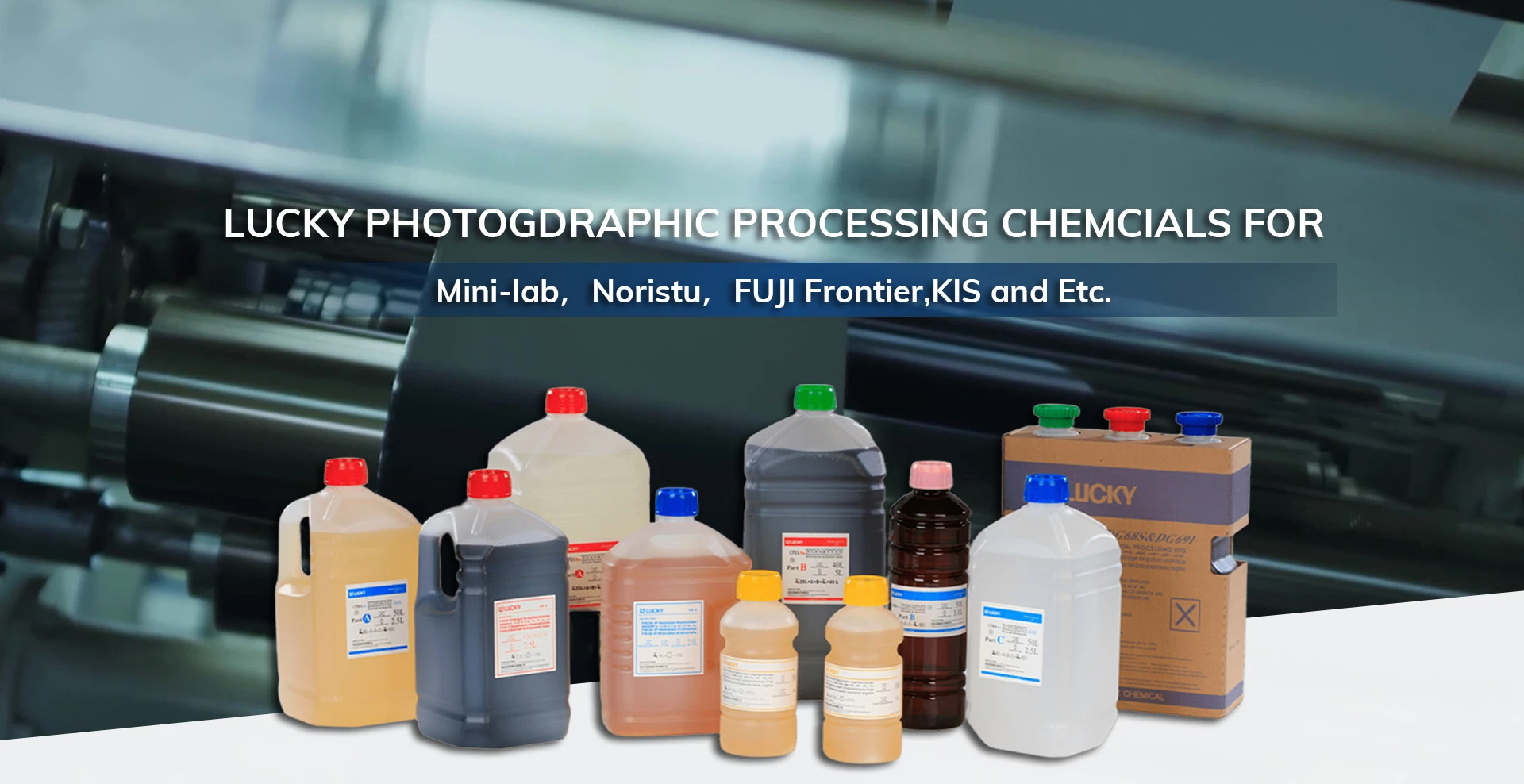
Photographic Chemcials For Mini-Lab production has long demanded extreme precision in chemical formulation and quality control—standards that have since influenced modern manufacturing processes across industries, including the production of photovoltaic backsheet materials. The crossover between precision chemical engineering and solar materials science is closer than many in the renewable energy sector realize.
As the solar energy industry continues its rapid expansion, the long-term reliability of photovoltaic modules has become a central concern for installers, project developers, and end-users alike. While much attention is given to solar cell efficiency and inverter technology, the materials that encapsulate and protect the cells—particularly the backsheet—play an equally critical role in determining the effective lifespan of a solar panel.
The Backsheet: More Than Just a Protective Layer
The backsheet is the outermost layer on the rear side of a solar module. Its primary function is to provide electrical insulation, protect the photovoltaic cells from environmental moisture and UV radiation, and act as a barrier against mechanical damage. A failure in the backsheet—such as cracking, delamination, or yellowing—can lead to rapid power degradation, ground faults, and even complete module failure.
Modern backsheets are typically multi-layer laminates. The most common configuration uses a core layer of PET (polyethylene terephthalate) sandwiched between outer layers of PVF (polyvinyl fluoride) or PVDF (polyvinylidene fluoride). The choice of materials, the quality of the adhesive bonds between layers, and the precision of the manufacturing process all directly influence the backsheet's ability to withstand 25 to 30 years of outdoor exposure.
Key Failure Modes in Backsheet Materials
Research conducted over the past decade has identified several common failure modes in photovoltaic backsheets. Understanding these failure mechanisms is essential for selecting high-quality materials and ensuring long-term system performance.
- Hydrolysis: In hot and humid climates, the PET core layer can undergo hydrolytic degradation, leading to embrittlement and cracking. This is often accelerated by poor-quality PET or inadequate barrier properties in the outer layers.
- UV Degradation: Prolonged exposure to ultraviolet radiation can cause yellowing, loss of mechanical strength, and surface chalking. The UV stability of the outer layer is critical, especially in high-irradiance regions.
- Delamination: Weak adhesion between the backsheet layers, or between the backsheet and the encapsulant (typically EVA), can lead to delamination. Once delamination occurs, moisture ingress accelerates, and the module becomes vulnerable to corrosion and electrical failure.
- Cracking: Thermal cycling, mechanical stress, and material embrittlement can all contribute to backsheet cracking. Cracks provide direct pathways for moisture and contaminants to reach the cell circuitry.
These failure modes are not merely theoretical. Field studies from the National Renewable Energy Laboratory (NREL) and other research institutions have documented backsheet degradation rates that vary significantly depending on the material formulation and manufacturing quality. Modules with inferior backsheets have been observed to lose power output at rates 2 to 3 times higher than those with premium backsheet materials.
The Connection Between Precision Manufacturing and Material Reliability
The production of high-quality backsheet materials requires a level of precision and quality control that is reminiscent of other advanced manufacturing sectors. For instance, the same rigorous standards for chemical purity, coating uniformity, and adhesion strength that are essential in medical imaging equipment—such as the Lucky Medical Image Printer Mip-2901—also apply to the production of photovoltaic backsheets. In both cases, even minor deviations in material composition or processing conditions can lead to significant performance degradation over time.
This parallel underscores a broader truth: the materials science expertise required to manufacture reliable backsheets does not exist in isolation. It draws on decades of experience in polymer chemistry, coating technology, and quality assurance—skills that have been honed in industries ranging from photographic film to medical diagnostics. Manufacturers with a long history in precision materials production are uniquely positioned to deliver backsheet products that meet the demanding requirements of the solar industry.
Industry Standards and Testing Protocols
The photovoltaic industry has developed a comprehensive set of standards to evaluate backsheet performance. IEC 61215 and IEC 61730 are the primary certification standards for crystalline silicon modules, and they include specific tests for backsheet durability, including damp heat testing (85°C/85% RH for 1000 hours), thermal cycling (200 cycles from -40°C to +85°C), and UV preconditioning.
However, many industry experts argue that the standard IEC tests are not sufficiently rigorous to predict backsheet performance over a 30-year lifespan. Accelerated aging tests that combine multiple stress factors—such as simultaneous UV exposure, temperature cycling, and humidity—provide a more realistic assessment of long-term durability. Backsheet manufacturers that invest in advanced testing capabilities demonstrate a commitment to quality that goes beyond minimum certification requirements.
Trends Shaping the Future of Backsheet Technology
Several emerging trends are reshaping the backsheet landscape. One of the most significant is the growing adoption of transparent backsheets for bifacial solar modules. Bifacial modules capture light from both the front and rear sides, increasing energy yield by 10% to 30% depending on the installation conditions. Transparent backsheets must maintain high light transmission while still providing the same level of protection as conventional opaque backsheets.
Another important trend is the push toward more sustainable materials. Traditional backsheets use fluoropolymer outer layers, which are highly durable but raise environmental concerns related to their production and disposal. Researchers are actively developing non-fluoropolymer alternatives that offer comparable performance with a lower environmental footprint. These include polyolefin-based backsheets and co-extruded multilayer structures that eliminate the need for adhesive layers.
The integration of smart features into backsheets is also gaining attention. Some manufacturers are exploring the incorporation of sensors or conductive traces into the backsheet to enable module-level monitoring of temperature, humidity, and electrical performance. This could revolutionize the way solar plants are monitored and maintained, allowing for early detection of potential failures before they lead to significant power loss.
Selecting a Backsheet Supplier: What to Look For
For solar module manufacturers, selecting a backsheet supplier is a strategic decision that directly impacts product reliability and warranty risk. The following criteria should be considered when evaluating potential backsheet suppliers:
- Proven track record: Suppliers with a long history in materials manufacturing bring valuable experience in quality control and process optimization. Companies that have successfully transitioned from other precision materials industries—such as photographic film or medical imaging—often have robust quality management systems already in place.
- Comprehensive testing capabilities: Look for suppliers that conduct accelerated aging tests beyond the standard IEC requirements, including combined stress testing and long-term field exposure studies.
- Global supply chain reliability: Solar module manufacturing is a global enterprise, and backsheet suppliers must be able to deliver consistent quality across multiple production sites and regions.
- Technical support and collaboration: The best suppliers work closely with module manufacturers to optimize backsheet formulations for specific module designs and environmental conditions.
Conclusion: Material Quality as the Foundation of Solar Reliability
The solar industry's continued growth depends on the long-term reliability of photovoltaic installations. While advances in cell efficiency and inverter technology receive the lion's share of attention, the materials that protect the module—particularly the backsheet—are equally important in determining the effective lifespan and return on investment of a solar system.
Backsheet quality is not a single attribute but a composite of material selection, manufacturing precision, and rigorous quality assurance. The manufacturers that excel in this field are those that bring deep expertise in materials science, a commitment to testing and validation, and a willingness to innovate in response to emerging industry needs. As the solar market continues to mature, the distinction between premium backsheet materials and commodity alternatives will only become more pronounced—and more consequential for the bottom line of project owners and operators worldwide.
For solar professionals evaluating module suppliers or backsheet options, the lesson is clear: invest the time to understand the materials that go into your modules. The quality of the backsheet today will determine the performance of your solar assets for decades to come.